12 hr
Pamukkale & Hierapolis Full-Day Tour from Bodrum
Discover the white travertine terraces and ancient ruins on a guided UNESCO site adventure with lunch
Reserve
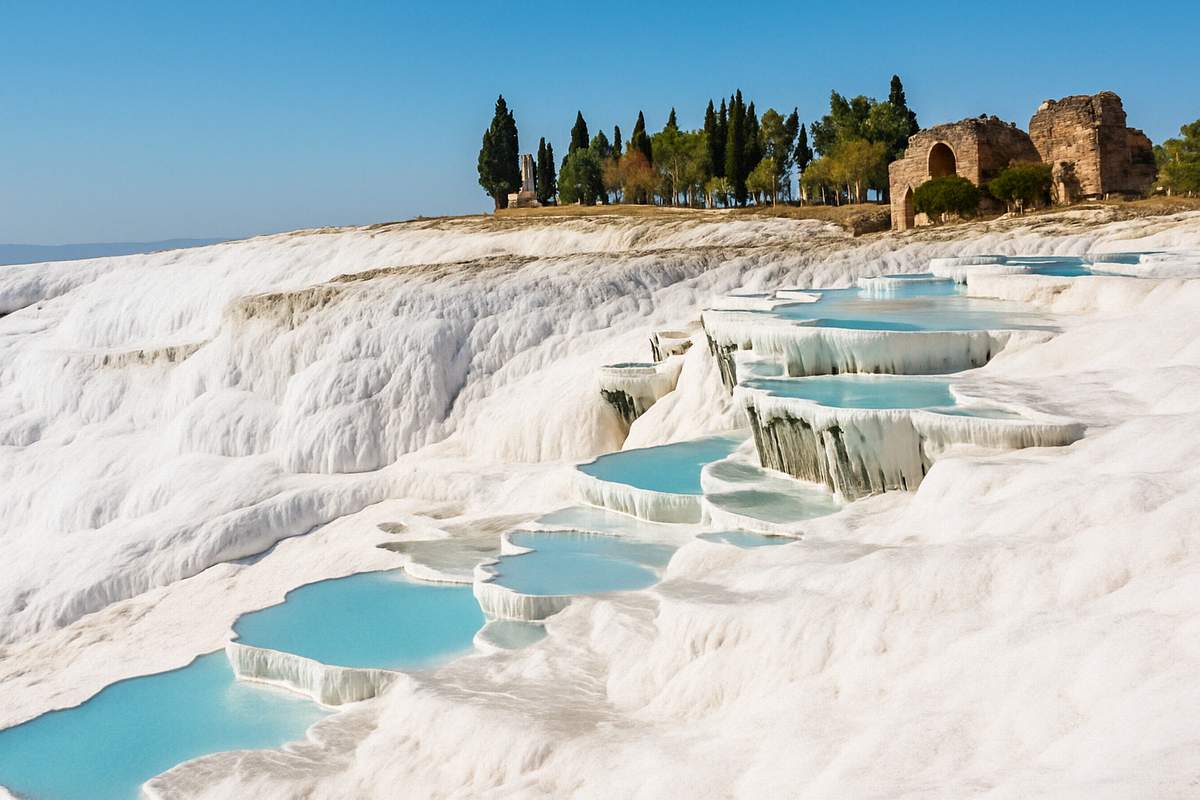
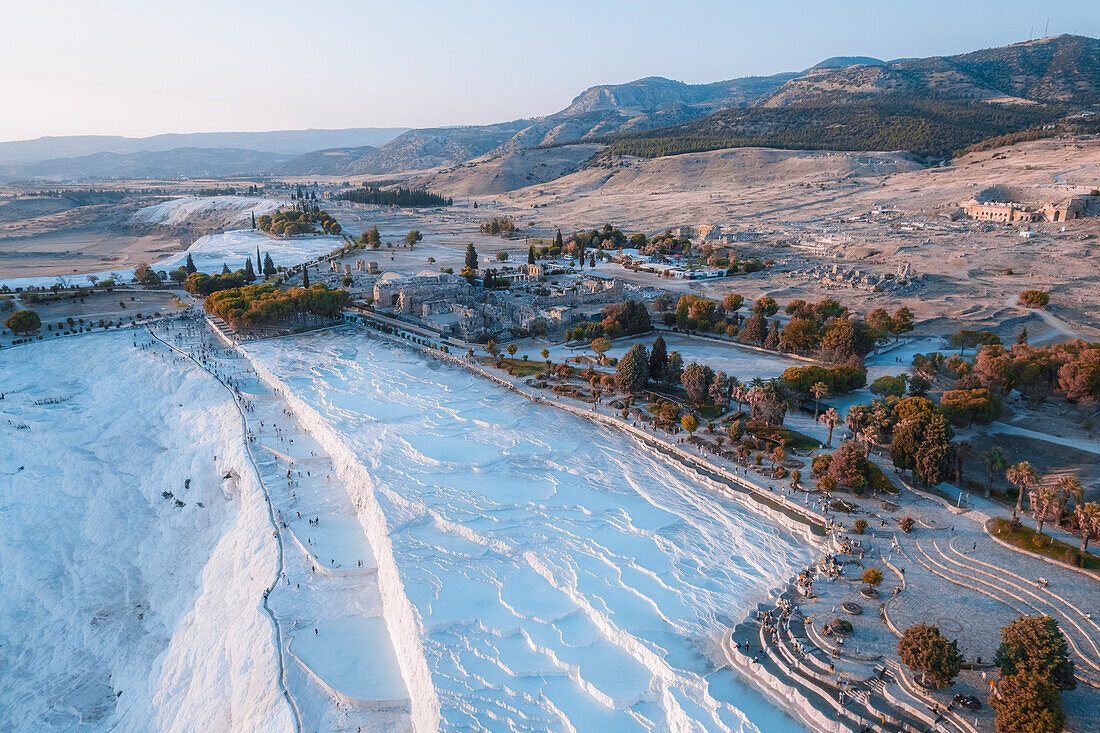
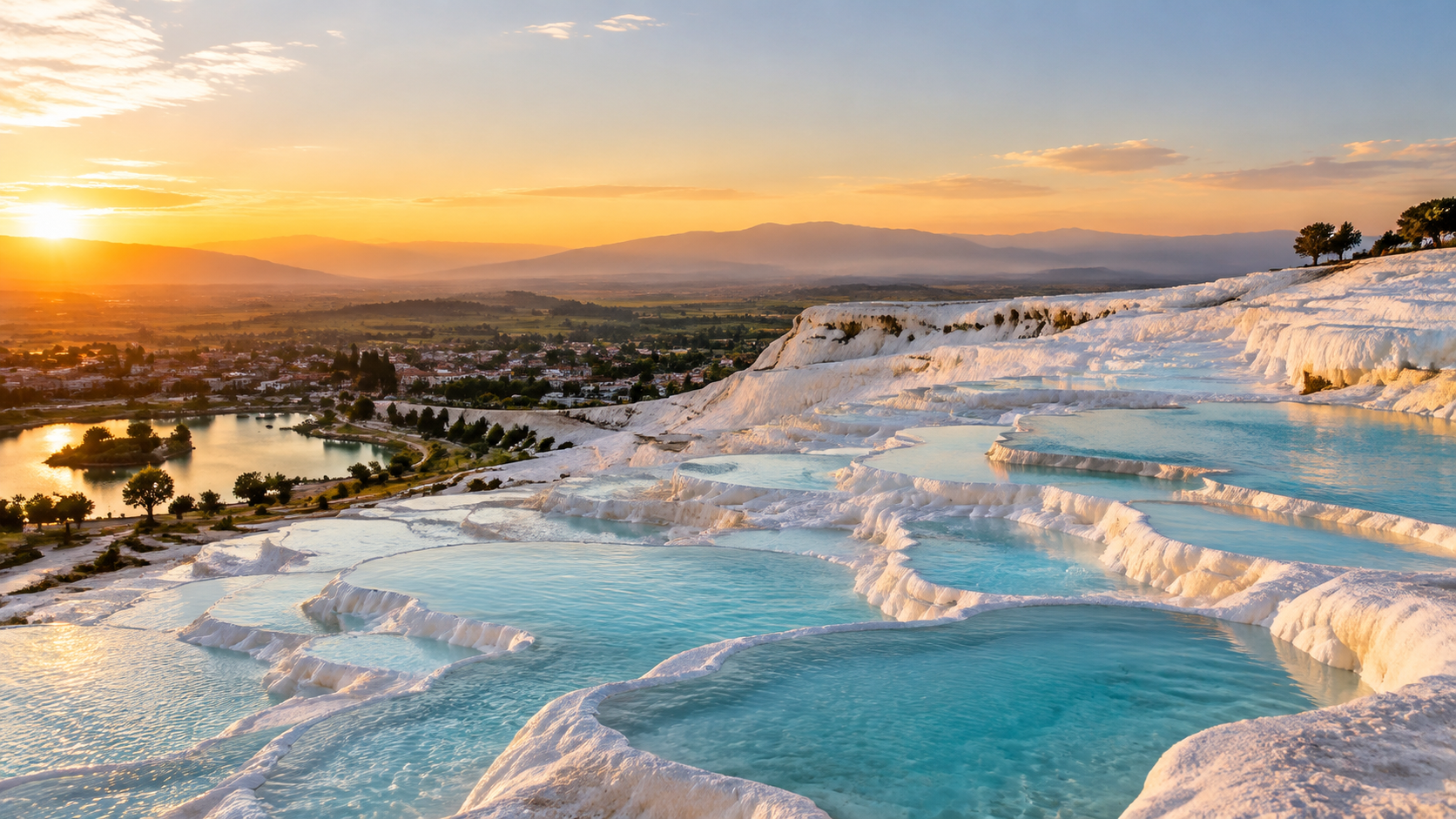
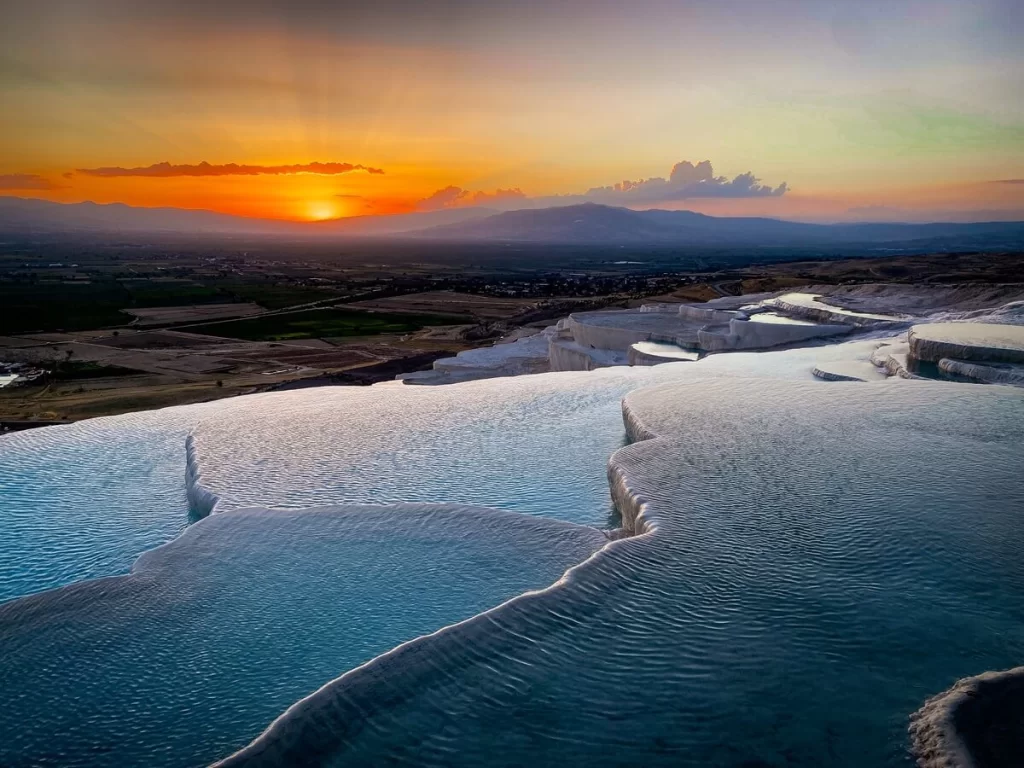
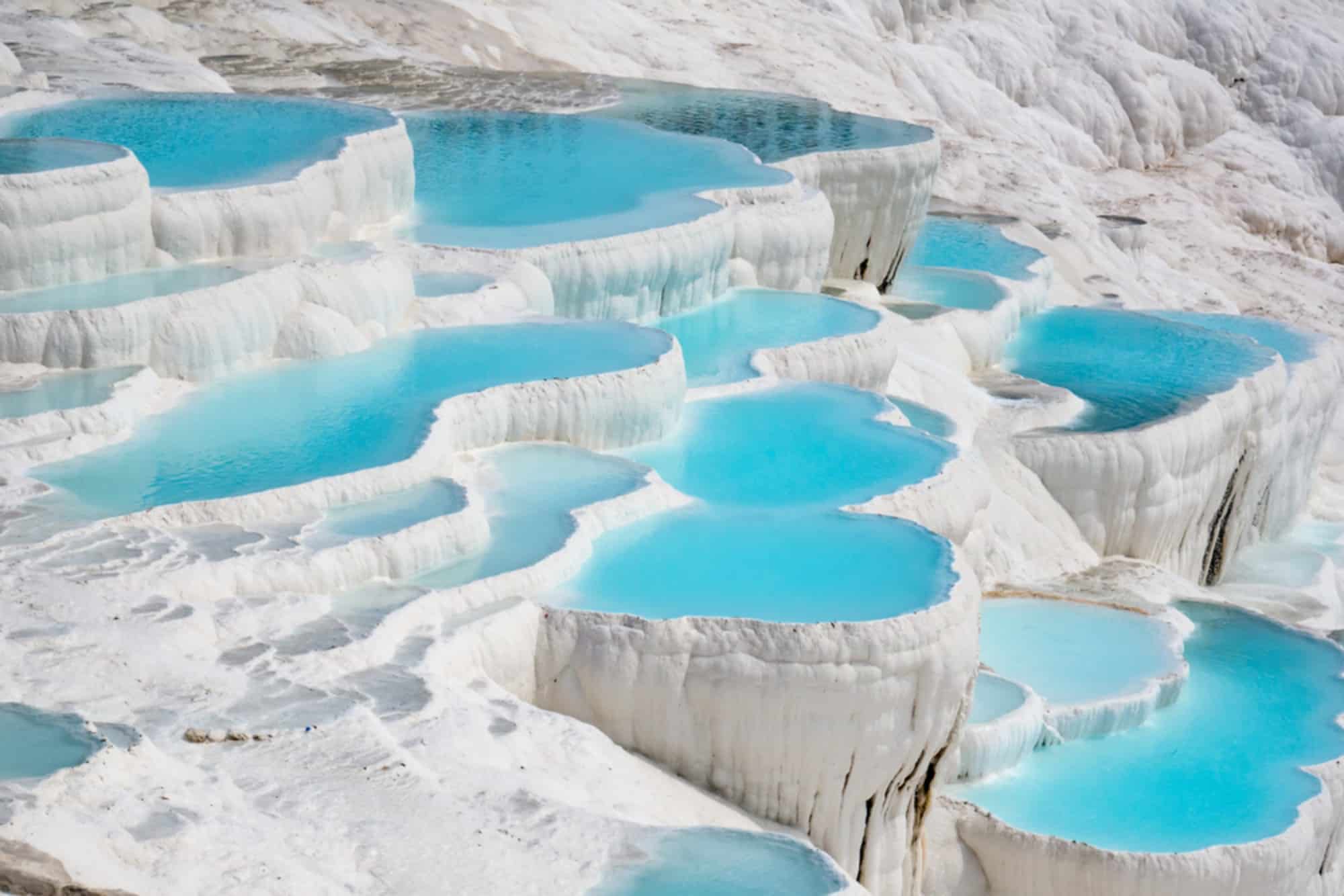
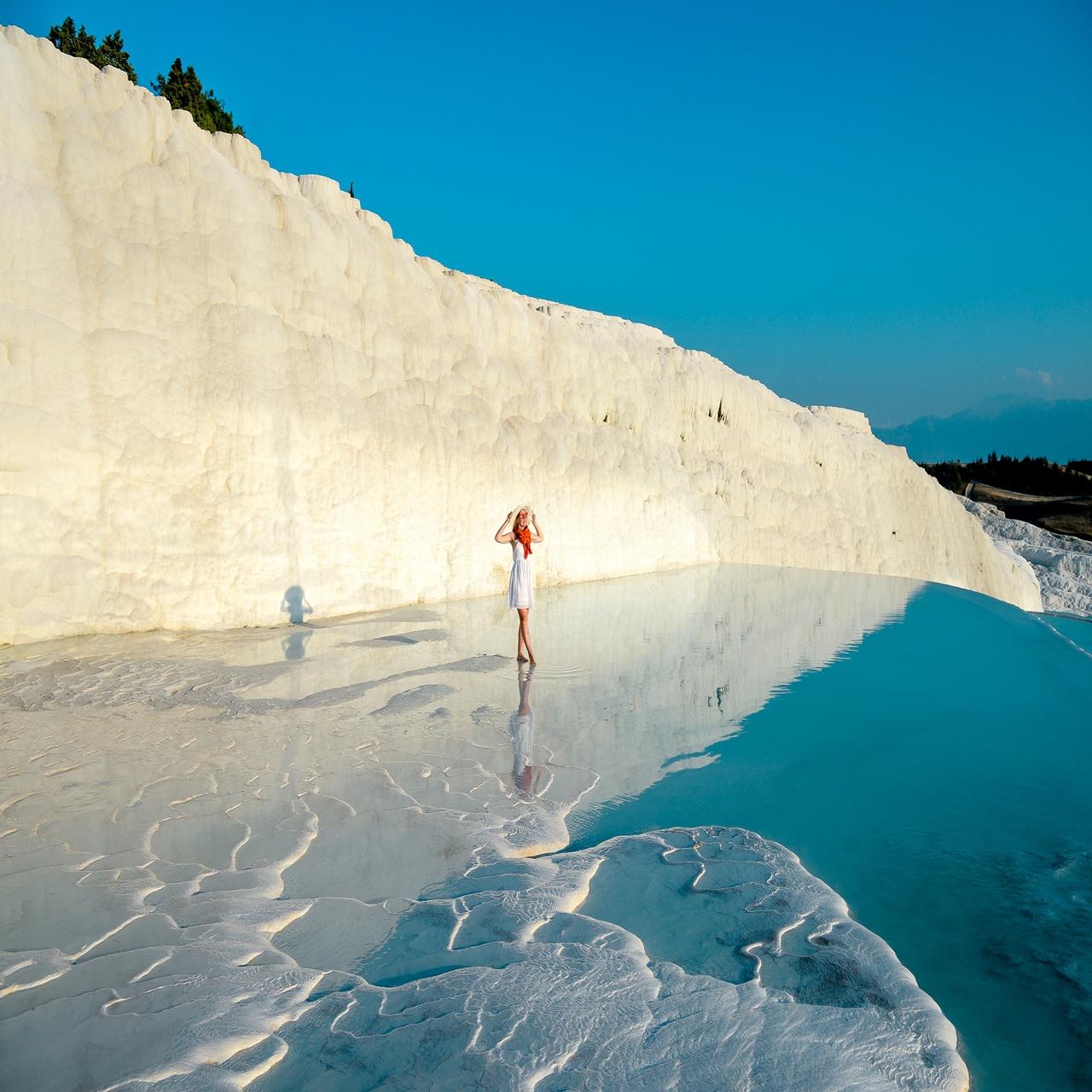
White terraces across the plateau, three hours inland from the coast
Hand-picked by our editors — only the best 12 transport and tour options from 47 reviewed.
Verified partners for Bodrum to Pamukkale tours, free cancellation where available, and instant confirmation on every booking.
12 hr
Discover the white travertine terraces and ancient ruins on a guided UNESCO site adventure with lunch
Reserve
14 hr
Discover Turkey's stunning white travertines and explore ancient Roman spa ruins on this guided day trip
Reserve
14 hr
Discover brilliant white travertine terraces and ancient Greco-Roman ruins on this UNESCO heritage adventure
ReservePrices from verified partners. Availability updates in real time at checkout. Free cancellation policies apply where shown.
Every Bodrum to Pamukkale tour side-by-side — duration, what's included, how you redeem.
| Experience | From | Duration | Rating | Transfers | Pickup | Skip-the-line | Price | |
|---|---|---|---|---|---|---|---|---|
|
Guided Experience Most popular
Pamukkale & Hierapolis Full-Day Tour from Bodrum
|
Bodrum | 12 hr | ★ 4.1 | ✓ | ✓ | ✓ | €65 | Book → |
|
Guided Experience
Pamukkale & Hierapolis Full-Day Tour from Bodrum
|
Bodrum | 14 hr | ★ 4.4 | ✓ | ✓ | ✓ | €52 | Book → |
|
Guided Experience
Pamukkale & Hierapolis Day Trip from Bodrum
|
Bodrum | 14 hr | ★ 4.1 | ✓ | ✓ | ✓ | €55 | Book → |
All prices from verified partners. Availability and exact terms confirmed at checkout.
Ephesus offers a superior immersion in ancient Roman urban history, whereas Pamukkale provides a unique geological spectacle; most visitors find Ephesus more engaging for cultural depth.
| Feature | Top pick Pamukkale | Ephesus |
|---|---|---|
Primary attraction |
Travertine terraces and Hierapolis ruins | |
Driving time from Bodrum |
3–3.5 hours | |
Physical activity level |
Moderate walking | |
Ideal for |
Geology enthusiasts and photographers | |
Best time of day |
06:30–09:00 | |
| See tickets → |
Verdict: Select your bodrum to pamukkale tour if you prefer natural thermal formations, or opt for Ephesus if you prioritize exploring one of the most complete ancient city excavations in the Mediterranean region for your bodrum to pamukkale excursions.
Choose your ticket, select your date, and reserve in under two minutes. Secure checkout handled by our verified partner.
Instant confirmation by email, with a mobile voucher you can save offline. No printing, no queuing at a collection desk.
Arrive at the entrance, show your voucher on your phone, and walk in. Most tickets include priority or skip-the-line access.
Practical details for Bodrum to Pamukkale tickets straight from our verified partners — hours, access, rules, and how to get there.
Modest clothing is recommended when visiting the Hierapolis archaeological site, though swimwear is permitted in designated areas. You must remove your footwear before stepping onto the travertine terraces.
Standard security checks are performed at both the North and South gates. Keep personal belongings light as there are few dedicated luggage storage facilities within the site.
Photography is permitted throughout the site, but drones are strictly prohibited without prior authorization. Tripods may be restricted during peak visitor hours to ensure pedestrian flow.
The travertine terraces are physically challenging and require walking barefoot, which may be difficult for visitors with mobility aids. Paved sections exist within the Hierapolis archaeological zone, but the site remains largely uneven.
Mobile phones are permitted. Keep ringer off inside exhibition spaces.
The site is open to families, though the steep terrain and lack of shade require careful planning. Strollers are difficult to navigate on the natural travertine surfaces.
There are limited snack options inside the archaeological zone, so bringing water is essential. Refill stations are sparse, particularly during summer months.
Pets are not allowed, with the exception of service animals with appropriate documentation.
Last entry is typically 1 hour before closing. Check the specific ticket for timing.
Best time to go, insider tips, nearby landmarks, and the cancellation fine print — flip through to skim what matters to you.
Flexible, no hidden fees.
Tickets for the Pamukkale to Hierapolis site are generally non-refundable. Please confirm specific conditions at the point of purchase.
The calcium-carbonate cascade at Pamukkale began forming seventeen thousand years ago, long before the Greeks founded Hierapolis on the plateau above.
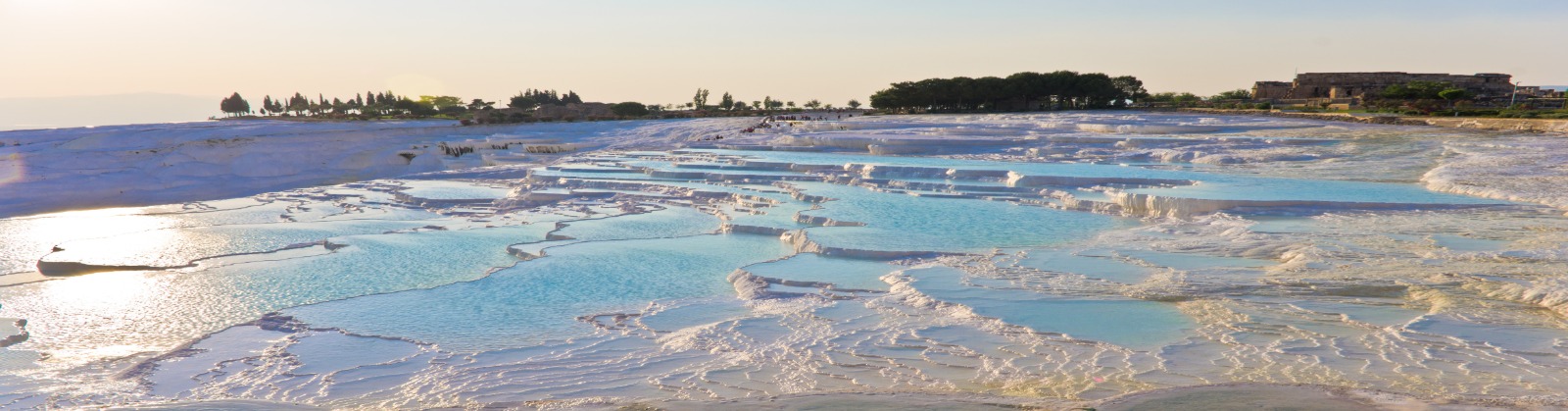
Thermal springs carrying dissolved limestone have deposited travertine at a rate of two and a half millimetres per year, building terraces that now stretch two thousand seven hundred metres along the hillside. By the second century BCE, the Attalid dynasty had recognised the therapeutic potential of water that emerges at thirty-five degrees Celsius, establishing bathhouses that the Romans later expanded into one of Anatolia's most elaborate spa complexes.
Today the site welcomes visitors through a dual-ticketing system that grants access to both the travertine pools and the ruins of Hierapolis, a recognition that geology and archaeology are inseparable here. The bodrum to pamukkale distance spans two hundred forty kilometres, a journey that crosses the coastal mountains and descends into the Çürüksu River valley. Most travellers depart Bodrum before dawn to reach the site during the soft morning light, when the terraces reflect gold rather than the harsh white of midday. The route passes through Muğla and Denizli provinces, tracing the ancient trade corridors that once connected Aegean ports to the interior.
Hierapolis was laid out on a grid plan unusual for its time, with colonnaded streets running perpendicular to the plateau edge. The necropolis contains twelve hundred tombs, among the largest and best-preserved burial grounds in Asia Minor. Sarcophagi line the road for two kilometres, their inscriptions recording trades, family names, and warnings against reuse. The theatre holds fifteen thousand spectators and retains much of its stage decoration, including friezes depicting Dionysus and Apollo. North of the main site, the Plutonium — a cave emitting volcanic carbon dioxide — was sacred to Cybele and remained a pilgrimage destination through the Byzantine period.
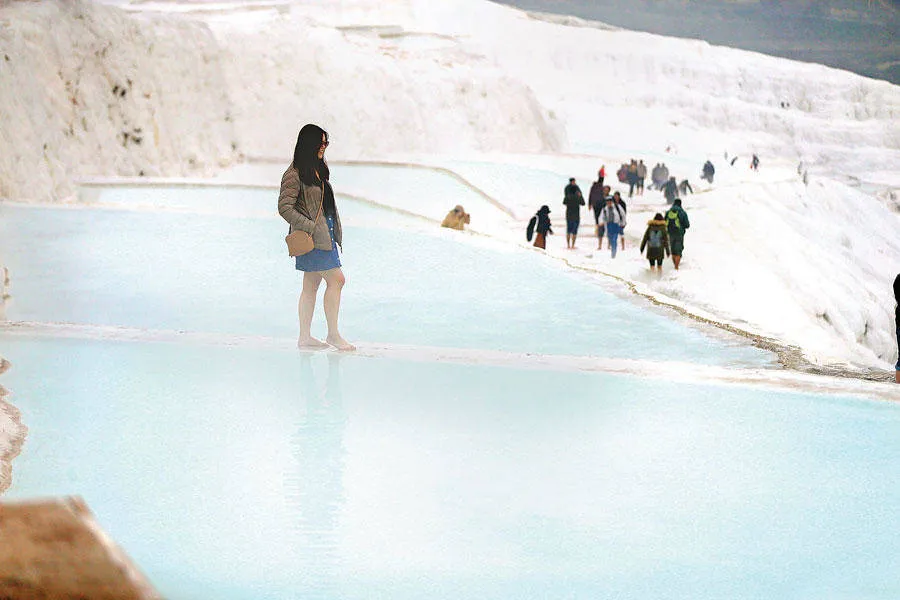
Conservation protocols introduced in the nineteen nineties now restrict foot traffic to designated paths. The terraces that twentieth-century visitors walked across barefoot are now protected behind low barriers, with a single shallow channel open for wading. Water flow is managed to preserve both the active formations and the abandoned terraces that had begun to grey from sediment and algae. The combined entrance fee of thirty euros reflects the scale of maintenance required to sustain a living geological process alongside an archaeological park. The site opens at half past six, fourteen and a half hours each day, allowing arrivals from the Aegean coast to complete the bodrum to pamukkale tour within a single day and return before midnight.

"Thermal springs carrying dissolved limestone have deposited travertine at a rate of two and a half millimetres per year, building terraces that now stretch two thousand seven hundred metres along the hillside."
A step-by-step walkthrough of Bodrum to Pamukkale tickets — what you'll see, how long each stage takes, and the details that matter.
You leave Bodrum in darkness, the highway climbing through pine forests before levelling onto the plateau. Three hours later, the white cliffs appear on the horizon, visible from twenty kilometres away. You arrive at the lower gate at half past six, collecting your ticket before the first tour buses reach the site.
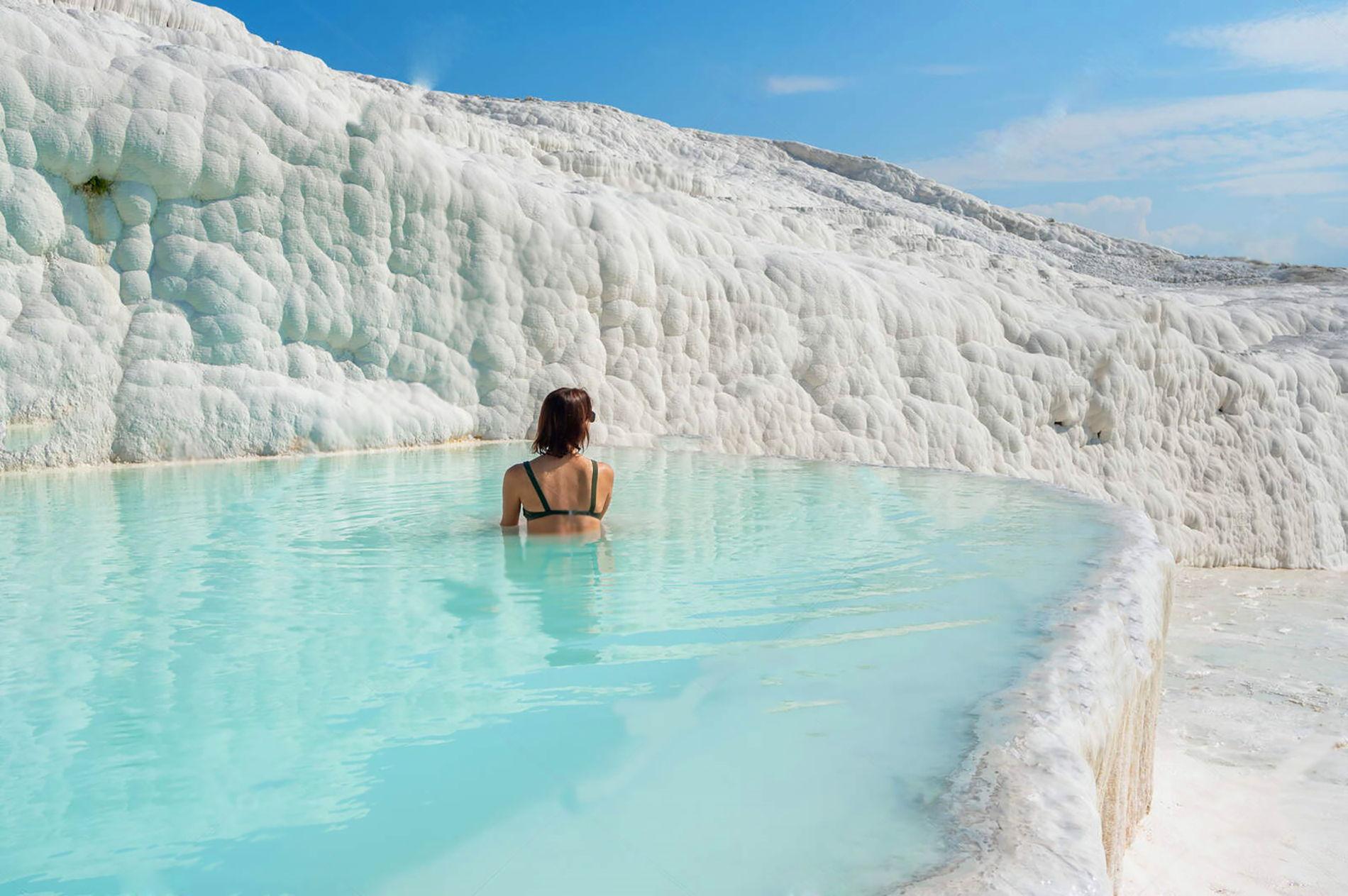
You remove your shoes at the designated entry point and step onto the travertine. The calcium surface is smooth underfoot, cool despite the morning sun. Water flows in shallow channels across the terraces, pooling in basins thirty centimetres deep. You wade slowly uphill, pausing at each level to study the rippled formations where mineral deposits have hardened into ridges. The path rises two hundred vertical metres over the next forty minutes.
At the plateau, you cross into Hierapolis through the Byzantine gate. The colonnaded street extends eight hundred metres north, flanked by the remains of shops and fountains. You walk to the theatre, climbing to the upper tiers for a view across the Lycus valley. The stage building retains its carved panels, gods and masks in high relief. You continue to the necropolis, where sarcophagi stand in rows beneath poplar trees, their lids askew from centuries of earthquakes. By mid-morning, you return to the terraces, now crowded with groups, and descend by the eastern path.
The site is open daily from 06:30–21:00, providing ample time for those arriving from Bodrum.
Yes, the entrance fee is 30 EUR, covering both the travertines and the Hierapolis archaeological site.
The best arrival window is 06:30–09:00 to avoid heat and crowds.
Families can enjoy the site, though the terrain requires caution; the travertine pools are visually striking for all ages.
Tickets can be purchased at the gate, though many travelers use official government portals for their bodrum to pamukkale tickets.
Travelers can take a bus from Bodrum to Denizli, followed by a local shuttle to the attraction.
Dress modestly for the historic areas and be prepared to go barefoot on the travertine terraces.
Photography is allowed throughout the site, though drones require special permits.
Nearby attractions such as the Laodikeia archaeological site are excellent additions to your bodrum to pamukkale itinerary.
The 30 EUR fee grants access to the travertines and Hierapolis, though Cleopatra's Antique Pool requires an additional fee.